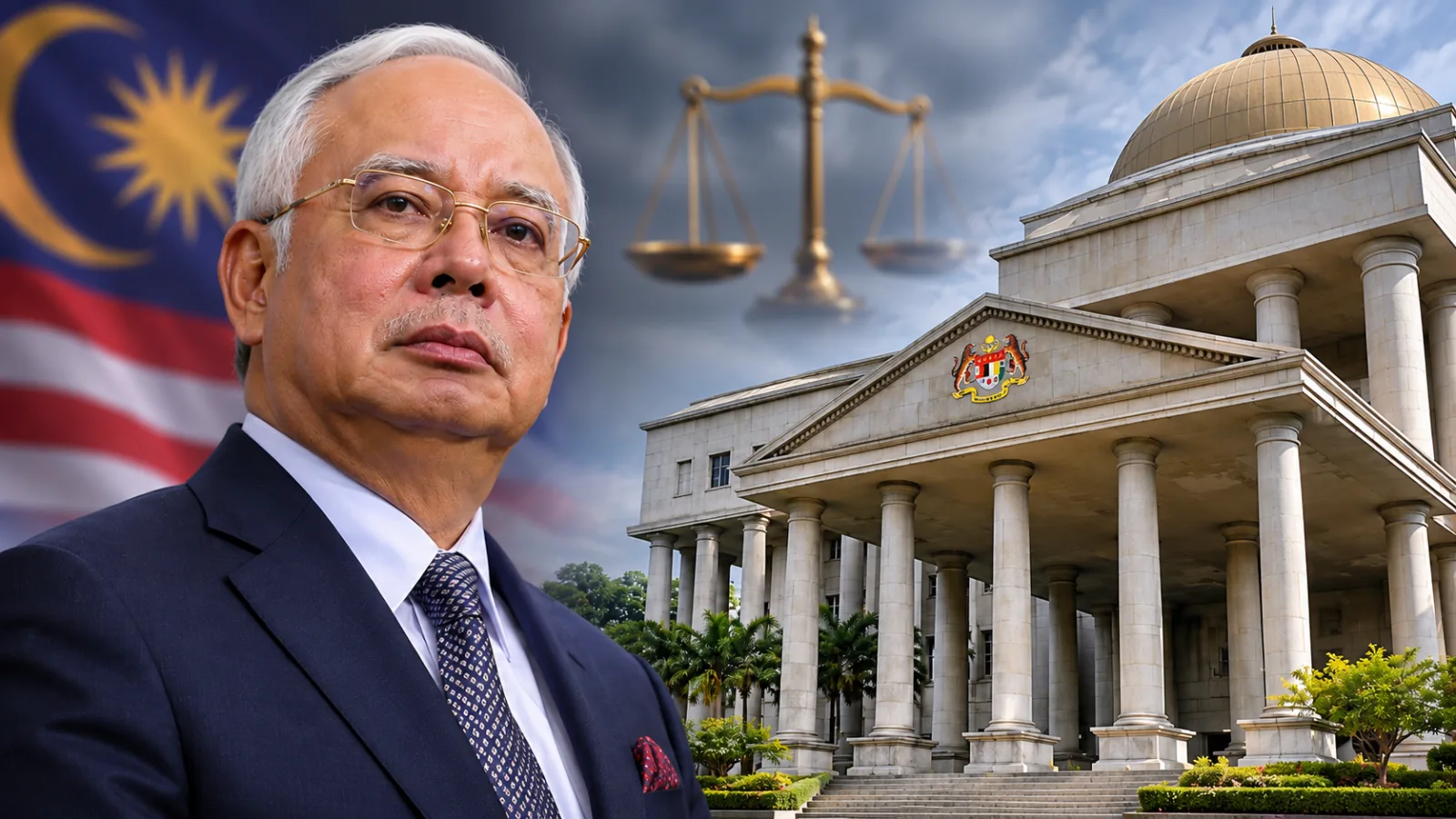
Former Attorney-General Mohamed Apandi Questions AGC's Position on Najib's Delayed House Arrest
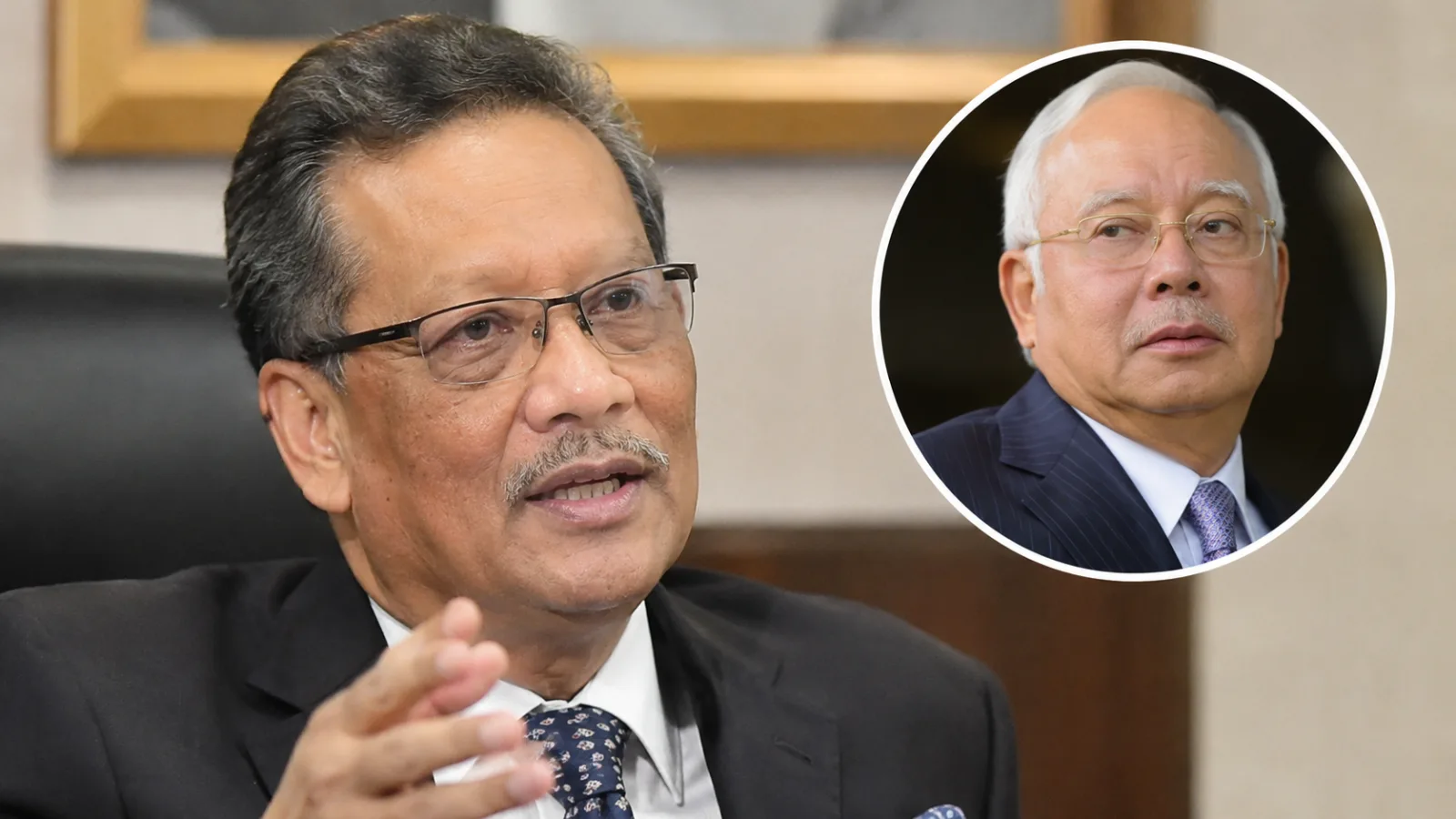

KUALA LUMPUR, Nov 9 — Former Malaysian attorney-general Tan Sri Mohamed Apandi Ali has questioned the Attorney-General's Chambers (AGC) over its position on the implementation of former prime minister Datuk Seri Najib Razak's conditional royal pardon.
Apandi argues that the decision permitting Najib to serve the remainder of his SRC International prison sentence under house arrest should be implemented as approved by the Pardons Board.
His comments, reported on November 8 and 9, come after Najib's anticipated transfer was delayed despite the settlement of a RM50 million fine.
Former attorney-general raises constitutional questions
Apandi referred to Article 42(9) of Malaysia's Federal Constitution, which requires the Pardons Board to consider any written opinion submitted by the Attorney-General before making its recommendations.
He questioned why further legal objections or uncertainties appeared to have emerged after the conditional pardon had already been granted.
In his view, the constitutional procedure provides a clear framework for decisions concerning royal pardons.
However, the complete written legal advice provided during the original pardons process has not been made publicly available in the reports reviewed.
Consequently, Apandi's interpretation of the Attorney-General's earlier position should be treated as his legal argument rather than a verified account of the contents of that advice.
Apandi stresses constitutional principles
The former attorney-general also referred to Articles 4 and 5 of the Federal Constitution.
Article 4 establishes the Constitution as Malaysia's supreme law, while Article 5 protects personal liberty in accordance with the law.
Apandi maintained that decisions reached through the constitutional pardon process should be respected and implemented consistently with the approved terms.
His remarks have renewed discussion about the responsibilities of legal authorities when carrying out royal clemency decisions.
Nevertheless, his statements do not constitute a new court judgment.
RM50 million fine already settled
On November 6, UMNO confirmed that the RM50 million fine imposed on Najib in the SRC International case had been paid.
The payment fulfilled a key financial condition of the conditional pardon announced in September 2026.
Under the arrangement, Najib would be permitted to serve the remainder of the relevant sentence under house arrest until August 23, 2028, subject to the stipulated conditions.
The Kuala Lumpur High Court subsequently issued an order connected to the payment and proposed detention arrangements.
However, the AGC sought a temporary delay before the transfer could be completed.
AGC cites unresolved sentencing questions
The Attorney-General's Chambers maintains that legal clarification is necessary concerning the effect of the fine payment and the High Court's discharge order.
One interpretation would mean that Najib's SRC International prison sentence remains in force, with house arrest serving as an alternative location for serving the remaining term.
Another interpretation could mean the sentence has legally concluded following satisfaction of the pardon conditions.
This distinction matters because Najib also received a separate 15-year prison sentence in December 2025 in another 1MDB-related case.
He is appealing that conviction and sentence.
The AGC argues that the relationship between the two sentences needs to be clarified before further enforcement action proceeds.
Palace and government defend their respective positions
On November 7, Istana Negara stated that Sultan Ibrahim's conditional pardon was clear and that its conditions had been fulfilled.
The palace emphasised that the royal decision should be respected.
The AGC subsequently maintained that seeking judicial clarification did not amount to challenging the King's constitutional authority.
Instead, the department said its objective was to ensure that the royal pardon and existing court orders were implemented lawfully.
Malaysia's Home Ministry also indicated that it would follow the AGC's advice pending clarification.
No final resolution announced
As of the November 9 reports reviewed, there has been no verified final court determination resolving all the outstanding legal questions.
Apandi's comments represent a significant intervention by a former senior legal official, but they do not themselves change Najib's detention status.
The next development will depend on further legal proceedings and official directions concerning the implementation of the conditional pardon.
#ASIA899News #MalaysiaNews #NajibRazak #MohamedApandiAli #HouseArrest #RoyalPardon #MalaysianPolitics #PoliticalNews